

ORP Program
The Opioid Overdose Response Program (ORP) leads and coordinates naloxone (Narcan) trainings, conducts community outreach efforts, and provides overdose prevention strategies and support.
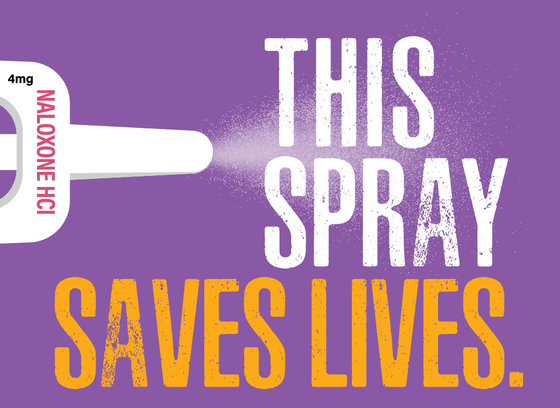
Naloxone Training
The Howard County Health Department offers free virtual training on the use of naloxone, which you can do at your convenience using the registration link below.
In-person naloxone training and distribution is also available on Tuesdays and Thursdays from 10am to 2:00pm at the HCHD mobile health van parked on the right-hand side of the Health Department located at 8930 Stanford Blvd. Columbia, MD 21045.
Call our Office of Behavioral Health at 410-313-6202 or email orpresponse@howardcountymd.gov for more information.
Use the link below to register for FREE naloxone on demand training.
| Opioid Overdose Prevention | Registration Link |
|---|---|
| Naloxone Training | Register Here |
Opioids are medications used to treat pain. They can be obtained legally through a prescription or illegally (like street drugs). Some names of opioids include:
- Buprenorphine
- Codeine
- Fentanyl
- Heroin
- Hydrocodone
- Morphine
- Methadone
- Oxycodone
Opioids affect the part of your brain that controls your breathing. When you take more opioids than your body can handle (overdose), your breathing slows. This can lead to unconsciousness and even death.
Signs of an opioid overdose include:
- loud snoring
- lips or fingertips turning blue
- pale/grayish skin
- unresponsiveness
- a very limp body
- shallow, slow, or stopped breathing
- slow or stopped heartbeat
It is a prescription medicine that reverses an opioid overdose by restoring breathing. It cannot be used to get high and is not addictive. Naloxone is safe and effective; emergency medical professionals and doctors have used it for decades.
Naloxone is safe for anyone to use, including children, pregnant people, older adults, and pets.
Anyone using opioids, legally or illegally, can have an overdose. An overdose can be intentional or accidental and can happen if:
- you don't take opioids as prescribed
- you have a pre-existing health condition
- you mix opioids with alcohol, sedatives or injectable drugs
- you share your medication with others
Keep opioids away from children and help the elderly take medications as directed to prevent an overdose.
Opioids, such as fentanyl, can be dangerous when swallowed or injected even in small amounts. Often despite
looking like a real prescription, street drugs can be mixed with substances like:
- heroin
- cocaine
- fentanyl
- xylazine
- or other unknown ingredient
The strength and type of opioids available on the street are unknown and can vary.
Step 1: Get their attention.
- Firmly rub your knuckles up and down the middle of the person's chest
Step 2: Call 911
- Tell them your location and the person's symptoms
Step 3: Give naloxone
- Peel back the package to remove the device
- Place tip of nozzle in either nostril until your fingers touch the bottom of the person's nose
- Press the plunger firmly to release dose into nose
- Give second dose if first dose does not work within 1-3 minutes
Step 4: Support breathing
- Lay the person on their back
- Tilt the chin back. Remove anything blocking airway
- Pinch the person's nose closed and cover their mouth with your mouth
- Blow 2 regular breaths then blow 1 breath every 5 seconds
- Do chest compressions if trained in CPR
Step 5: Care for the person
- Stay with the person until medical help arrives
- Place the person in recovery position: face and head turned to the side, top hand placed under head, and top knee bent to support the body
Storage: Remove naloxone from box only when ready to use. Store in original package at room temperature and avoid exposure to light. Keep in a safe place away from children and pets.
Expiration: Naloxone loses its effectiveness over time; so check the expiration date on the label. In an emergency, expired naloxone may be used but will not be as effective.
Disposal: Check with a local health department or pharmacy about properly disposing of expired naloxone.
- Types of opioids (heroin and pain medication)
- How to recognize, respond, and prevent an opioid overdose
- Including how to administer intra-nasal naloxone
- Information about Maryland’s Good Samaritan Law
- Resources for you, family members, friends & loved ones
- All Howard County residents can be trained!
For additional information about Naloxone visit the State of Maryland Overdose Response Program page.
How to Become an Overdose Prevention Program (For Providers)
Maryland Overdose Response Program
If you witness an overdose and call 911, the Maryland Good Samaritan Law protects you from arrest and prosecution for certain crimes.