

Mosquito-borne Diseases
Mosquito-borne diseases are diseases that results from an infection transmitted to humans and animals by mosquitoes. Examples include Malaria, West Nile Virus, Zika and Dengue fever.
If you believe you have a mosquito-borne illness, please contact your healthcare provider. Howard County Healthcare Providers who need to submit a reportable illness case to the Health Department should call 410-313-1412. Providers may also email infectiousdisease@howardcountymd.gov for assistance.
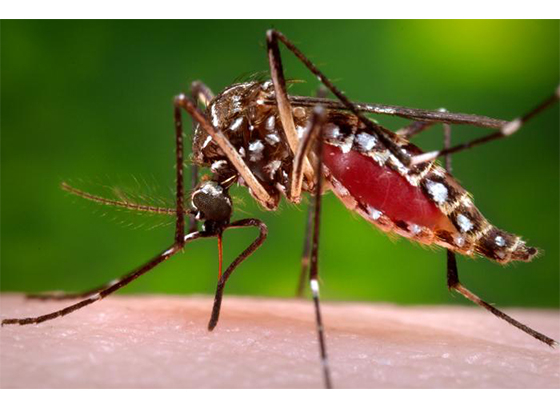
What is a mosquito-borne disease?
Mosquito-borne diseases are those spread by the bite of an infected mosquito. Diseases that are spread to people by mosquitoes include Zika virus, West Nile virus, dengue, malaria and others.
How can I protect myself and my family from mosquitoes?
- Use Environmental Protection Agency (EPA)-registered insect repellents.
- If you are using sunscreen, apply sunscreen first and insect repellent second
- Wear loose-fitting, long-sleeved shirts and pants.
- Wear clothing and gear treated with permethrin.
- Control mosquitoes indoors and outdoors.
How can I control mosquitoes around my home?
- Use screens on windows and doors. Repair holes in screens to keep mosquitoes outdoors.
- Use air conditioning, if available.
- Remove standing water where mosquitoes lay eggs.
-
Resources
Malaria
Malaria is a mosquito-borne disease caused by a parasite.
For Marylanders, a person is most often infected with malaria when traveling overseas. The risk for locally acquired malaria remains low, however Marylanders can take precautions to prevent mosquito bites.
Symptoms usually appear 7 to 30 days after an infective bite. If there is any suspicion of malaria (for example, if you have symptoms and/or have recently traveled in a country where malaria transmission occurs) contact your doctor for a test right away.
Malaria can be a dangerous and life-threatening disease if it is not treated, but early treatment reduces the chance of complications.
The most common symptoms of Malaria are:
-
chills
-
fever
-
headache
-
muscle aches
-
tiredness
-
nausea
-
vomiting
-
diarrhea
Signs of severe Malaria are:
-
jaundice (yellow coloring of the skin and eyes) because of the loss of red blood cells
-
anemia – diagnosed by a doctor
If you believe you have been infected with Malaria, contact a medical provider immediately
In the United States:
You and your family can most effectively prevent malaria and other mosquito-borne diseases by taking these important measures:
-
Keeping mosquitoes from biting you using insect repellent containing DEET on exposed skin.
-
Wearing long-sleeved clothing if out of doors at night, especially at night.
-
Sleeping under insecticide-treated bed nets.
-
Empty standing water regularly to prevent mosquitoes from laying eggs.
-
Talk to your doctor 4–6 weeks before traveling if planning travel to a location where Malaria is endemic.
Before travel to other countries:
CDC has a list of all the places in the world where malaria transmission occurs and the malaria drugs that are recommended for prevention in each place.
Oropouche
Oropouche virus is spread to people primarily by the bite of infected biting midges. Some mosquitoes can also spread the virus.
Oropouche virus has been reported in parts of South America, Central America, and the Caribbean. In June 2024, Cuba reported its first confirmed Oropouche case.
Oropouche virus disease typically presents as an abrupt onset of fever, severe headache, chills, myalgia, and arthralgia. Clinical presentation is commonly mistaken for other arboviruses such as dengue, chikungunya, and Zika viruses, and malaria.
Anyone who is living in or traveling to an area where Oropouche virus is found and has not already been infected with Oropouche virus is at risk for infection. This includes pregnant people.
People are more likely to be infected if they spend time outdoors, such as people who hike, garden, or fish.
The best way to protect yourself from Oropouche is to prevent bug bites.
- Use Environmental Protection Agency (EPA)-registered insect repellents. When used as directed, EPA-registered insect repellents are proven safe and effective, even for pregnant and breastfeeding people.
- Look for EPA-registered repellents labeled for flies, biting flies, or Culicoides (biting midges, punkies, granny nippers, and no-see-ums).
- Prevent bites while traveling if you'll be going to an area with Oropouche virus
Based on limited information from Brazil, Oropouche virus may spread from a pregnant person to their fetus. This spread has been associated with the baby being stillborn or having birth defects. Oropouche virus can be passed from a pregnant person to their fetus. Plan ahead if traveling or consider an alternative destination.
CDC is working with international partners to learn more about the potential risks of Oropouche during pregnancy and will provide more information when more is known.
West Nile Virus
West Nile virus (WNV) is a mosquito-borne virus that causes disease in humans, horses, and birds. WNV spreads to people through the bite of an infected mosquito, and it can make people sick and even cause death. WNV is common in the United States, especially in California.
In Maryland, West Nile Virus first appeared in 1999 in a crow in Baltimore City. The first human West Nile cases were reported in 2001 and since that time WNV activity has been found in humans, birds, mosquitoes, horses and/or other mammals throughout all jurisdictions.
Most people do not develop symptoms.
Some people develop a fever (febrile illness) with other symptoms such as:
-
Headache
-
Body ache
-
Joint pains
-
Vomiting
-
Diarrhea
-
Rash
Some people develop serious symptoms such as:
-
High fever
-
Headache
-
Neck stiffness
-
Stupor
-
Disorientation
-
Coma
-
Tremors
-
Convulsions
-
Muscle weakness
-
Vision loss
-
Numbness
-
Paralysis
If you believe you have been infected with West Nile Virus, contact a medical provider immediately.
-
There is no vaccine for West Nile virus.
-
Keeping mosquitoes from biting you using insect repellent containing DEET on exposed skin.
-
Wearing loose-fitting, long-sleeved clothing and treat with 0.5% permethrin.
-
Take steps to control mosquitoes indoors and outdoors.
Resources:
Zika
There have been reports of limited, local mosquito-borne transmission of Zika virus in certain areas of the United States; however, no local mosquito-borne transmission of Zika virus has been identified in Maryland at this time. The species of Aedes mosquito responsible for most Zika virus transmission, Ae des aegypti, is not commonly found in Maryland.
- Fever
-
Rash
-
Headache
-
Joint pain
-
Red eyes
-
Muscle pain
Severe Symptoms:
-
Guillain-Barre syndrome (GBS), an uncommon sickness of the nervous system, is strongly associated with Zika; however, only a small proportion of people with recent Zika virus infection get GBS.
If you believe you have been infected with Zika, especially if pregnancy or trying to conceive, contact a medical provider immediately
You and your family can most effectively prevent Zika by taking these important measures:
-
Keeping mosquitoes from biting you using insect repellent containing DEET on exposed skin.
-
Wearing long-sleeved clothing if out of doors at night, especially at night.
-
Sleeping under insecticide-treated bed nets
-
Empty standing water regularly to prevent mosquitoes from laying egg
-
Talk to your doctor if planning travel to a location where Zika is endemic.
-
All pregnant women can protect themselves by avoiding travel to an area with risk of Zika.
Zika can generally be found in blood during approximately the first week of infection and can be passed to another person through mosquito bites
-
The use of condoms from start to finish, every time during sex can reduce the chance of getting Zika.
-
Pregnant couples with a partner who traveled to or lives in an area with risk of Zika should use condoms every time they have sex or not have sex during the pregnancy.
-
Women should wait at least 2 months after travel (or 2 months after symptoms started if they get sick) before trying to get pregnant.
-
Men who have traveled to areas with risk of Zika should wait at least 3 months after travel (or 3 months after symptoms started if they get sick) before trying to conceive with their partner. The waiting period is longer for men because Zika stays in semen longer than in other body fluids.
If you are caring for a person with Zika, take steps to protect yourself from exposure to the person’s blood, urine, stool, or vomit:
-
Do not touch blood, body fluids, or surfaces with these fluids on them with exposed skin.
-
Wash hands with soap and water immediately after providing care.
-
Immediately remove and wash clothes if they get blood or body fluids on them. Use laundry detergent and water temperature specified on the garment label. Using bleach is not necessary.
-
Clean the sick person’s environment daily using household cleaners according to label instructions.
-
Immediately clean surfaces that have blood or other body fluids on them using household cleaners and disinfectants according to label instructions.
-
Helping the person sit up or walk should not expose you. Make sure to wash your hands before and after touching the person.
CDC has a list of all the places in the world where Zika transmission occurs.
Resources:
Dengue
Dengue viruses are spread to people through the bite of an infected mosquito.
Dengue is a viral infection that spreads from mosquitoes to people. It is more common in tropical and subtropical climates.
The most common symptoms for Dengue are
-
High fever
-
Headache
-
Body aches
-
Nausea
-
Rash
Most people with Dengue will get better in 1–2 weeks. In severe cases, dengue can be fatal.
You can lower your risk of dengue by avoiding mosquito bites, especially during the day.
Doctors and laboratories that find positive results will notify the health department.
If you believe you have been infected with Dengue, contact a medical provider immediately.
You and your family can most effectively prevent Dengue and other mosquito-borne diseases by taking these important measures:
-
Keeping mosquitoes from biting you using insect repellent containing DEET on exposed skin.
-
Wearing long-sleeved clothing if out of doors at night, especially at night.
-
Sleeping under insecticide-treated bed nets.
-
Empty standing water regularly to prevent mosquitoes from laying eggs.
-
During the first week of infection, dengue virus is found in the blood of an infected person. If a mosquito bites the infected person, the mosquito becomes infected. The infected mosquito can spread the virus to other people through bites.
-
Not everyone infected with dengue gets sick.Even if you do not feel sick, travelers returning to the United States from an area with risk of dengue should take steps to prevent mosquito bites for 3 weeks, so they do not spread dengue to mosquitoes that could spread the virus to other people.
Resources: