

Public Health Preparedness Program
Mission: To prepare and respond to natural and man-made public health emergencies including, but not limited to:
- severe weather conditions
- bioterrorism
- disease outbreaks
- radiological/nuclear hazards

Each month HCHD will bring you information and resources about different hazards and how to be prepared to respond.

May: Water/Swimming Safety
Healthy and Safe Swimming Week is celebrated the week before Memorial Day. The Center for Disease Control (CDC) and Prevention theme this year is “Splash your Way into Fun, Not Germs."
Enjoy the water safely! While swimming is a great activity, CDC guidelines show that recreational water—from pools to lakes—can pose risks of illness and injury. Learn how to protect yourself and your family by following essential healthy swimming steps at all water venues.
- Stay Out If Sick: Avoid swimming if you have diarrhea to prevent spreading germs.
- Check Water Quality: Avoid cloudy, smelly water, or areas with posted closures.
- Prevent Injuries: Enter feet-first, avoid diving in shallow areas, and never swim alone.
- Supervise Children: Always keep children within arm’s reach in the water.
- Protect Wounds: Cover open cuts with waterproof bandages or avoid water until healed
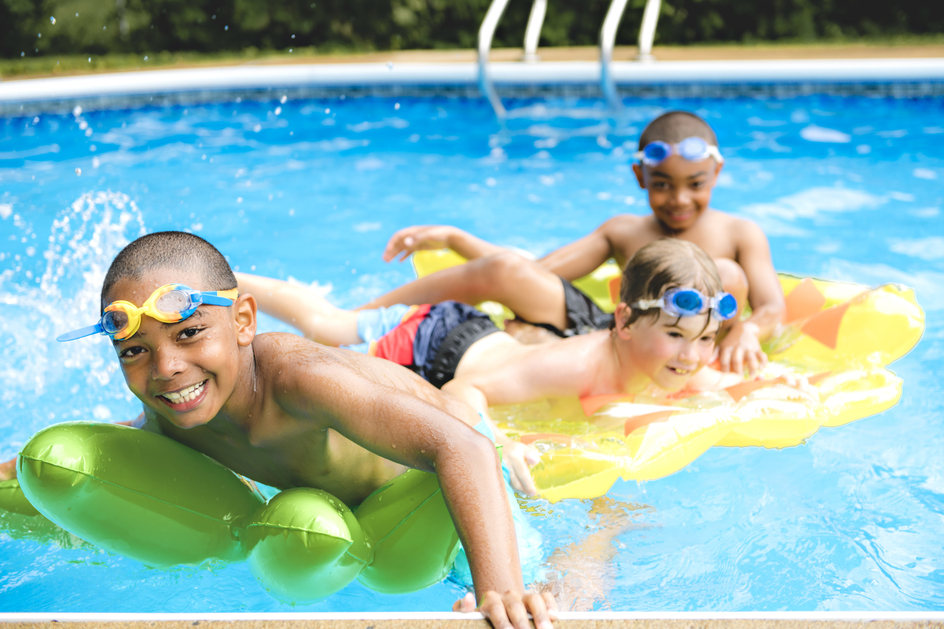
The Howard County Health Department has residential pool safety information on the Community Hygiene Program webpage.
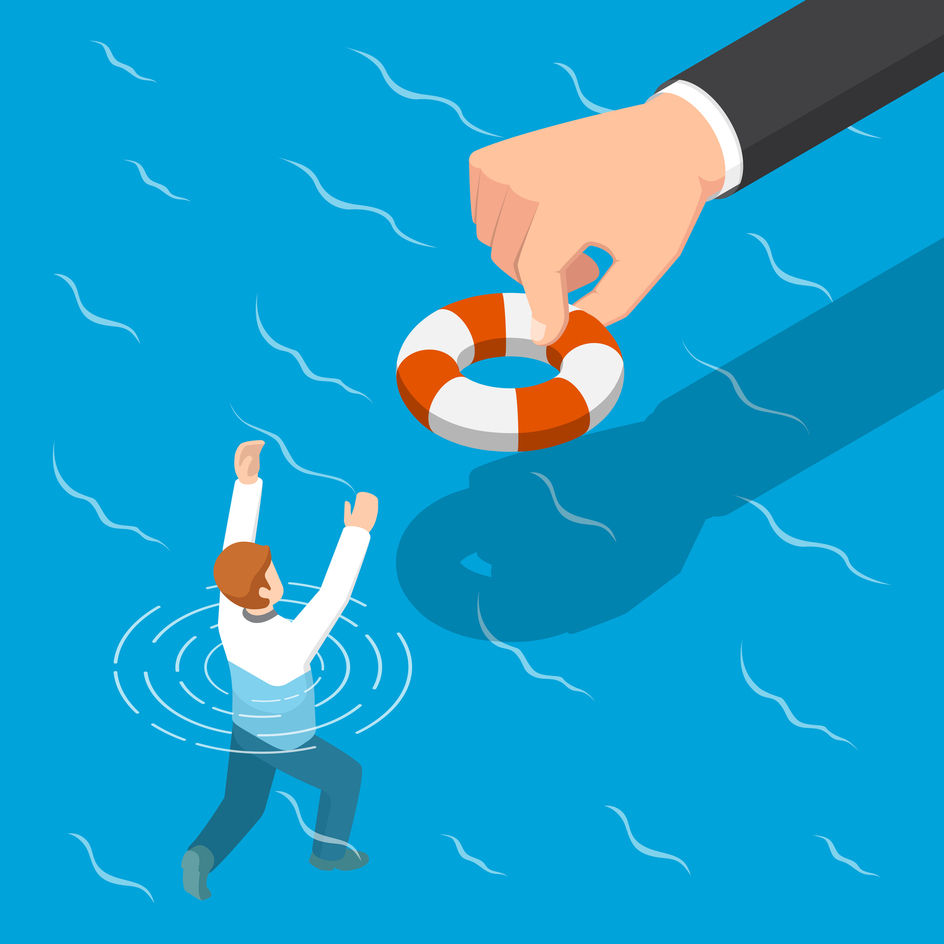
According to the CDC, drowning is a leading cause of death for children. Follow these tips to help keep kids safe:
- Empty bathtubs, buckets, and kiddie pools after use.
- Know the 5 Layers of Protection.
- Barriers & Alarms Fence off and/or cover swimming areas
- Supervision: Always provide adult supervision with full attention
- Water Competency: Enroll in Swim Lessons
- Life Jackets: Have available
- Emergency Preparedness: Take a CPR Class near you
- Assign a Water Watcher: an adult who will pay constant attention to children in the water.
- Put down your cell phone
- Avoid other activities
- Supervise even if lifeguards are present
- Switch off with another adult for breaks
For more on drowning, visit the American Academy of Pediatrics webpage.
Enjoy natural waters (oceans, lakes, rivers, and ponds) safely by preventing illness from germs and avoiding injuries. Check water quality, monitor weather, and use lifeguard-supervised areas. Avoid swallowing water, swim with a buddy, and shower afterward to stay healthy and safe.
Before You Head Out:
- Check Water Safety: Ensure the water is open and free from sewage, high chemicals, or debris.
- Locate Lifeguards: Swim where lifeguards are present or check local water quality advisories.
- Check Weather: Avoid swimming in rain, during high currents, or immediately after storms.
- Inform Others: Let someone know where you are going and when you expect to return.
While in the Water:
- Don’t Swallow Water: Avoid swallowing water and sand to prevent ingesting germs.
- Prevent Injuries: Don’t jump or dive into unfamiliar water. Check for depth and hazards.
- Check for Pollution: Avoid water that smells bad, looks discolored, or has pipes draining into it.
- Protect Wounds: Avoid swimming with open cuts or infections.
- Safety First: Never swim alone or after drinking alcohol.
- Kids’ Safety: Ensure kids take regular bathroom breaks to keep the water clean.
- Rip Currents: If caught in a rip current, swim parallel to the shore. To learn more on rip currents, visit the National Oceanic and Atmosphere Administration webpage.
After Your Swim:
- Shower: Use soap and water to rinse off.
- Dry Ears: Thoroughly dry your ears to prevent infections.
- Wash Hands: Always wash hands before eating.
Additional Resources:
USDA Forest Service, Water Safety
Maryland Department of Natural Resources: Stay Safe on the Water
Maryland Department of Environment: Maryland Beaches Program
To learn more go to the Water Safety USA webpage.
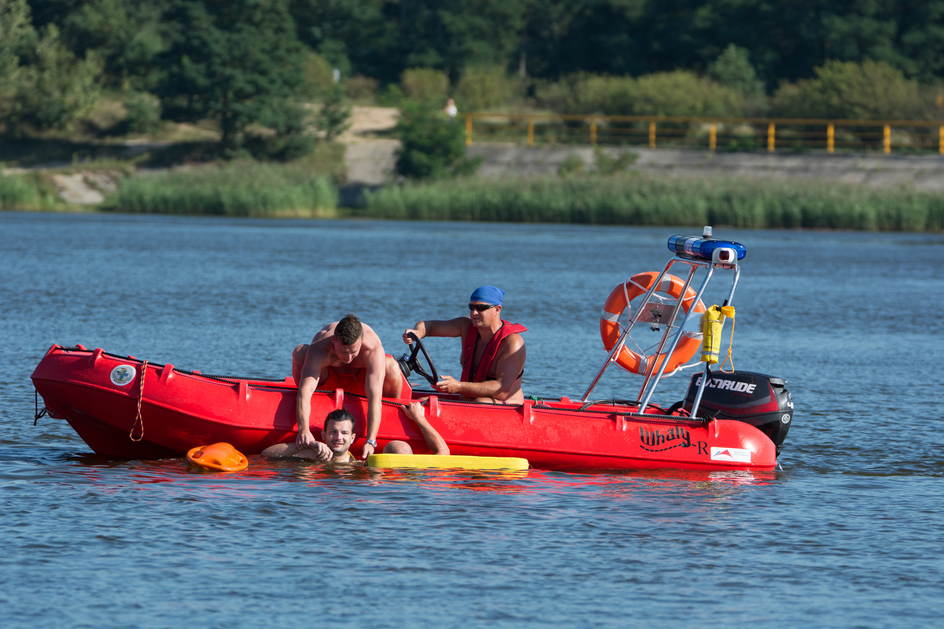
Water Emergency: How to Help
- Alert a lifeguard or call 911 immediately.
- Stay on Land/a Boat. Do not jump in—it is dangerous for you.
- Reach: Use a branch, paddle, or pole to pull them in.
- Throw: Toss them a flotation device (life jacket, cooler, empty jug).
- Row: Use a boat to get closer.
- Find Help: Find others to help you.
Be Prepared
Additional Resources
How can YOU help in an emergency?
Become a Public Health Hero - Join the Howard County Medical Reserve Corps
The Howard County Medical Reserve Corps (HCMRC) Program is volunteer organization created in July 2002. Medical Reserve Corps (MRC) volunteers can be medical and public health professionals or community members with no healthcare background.
Howard County Health Department
Phone: 410-313-6300
After Hours: 410-313-2200
Maryland Department of Health (MDH)
Phone: 410-767-6500
Maryland Department of Emergency Management (MDEM)
Phone: 410-517-3600