
About
Commercial and residential buildings, roads, bridges, and other built infrastructure may be ill-equipped to withstand the stress of more intense heat waves, extreme storms, flooding, and other anticipated climate hazards. Building codes, design standards, and best practices that improve resiliency of these structures include:
- Energy efficiency practices
- Climate-resilient construction materials
- Weatherization techniques
- Flood resistance measures
- A highly trained workforce to repair critical equipment in emergencies
- On-site energy generation (including solar and battery storage) to better withstand extreme weather, flooding, and extended power outages.
Best Building Practices
Energy Efficiency and Conservation
Heating, cooling, and powering homes emit greenhouse gas (GHG) emissions. Energy efficiency and conservation practices help to lower GHG emissions and the cost of electricity usage. It's about using less energy to reach the same level of comfort. Residential energy efficiency measures may include weatherization, lighting upgrades, building envelope improvements, upgrades to more efficient appliances and HVAC equipment, and occupant behavior changes.
Clean and efficient energy is good for business. Even better, there are great financing options, grants and incentives available to help you make the switch to cleaner, more efficient energy for your business.
Flood Protection
Flooding is the most common and costliest natural hazard in Maryland. However, there are many things you can do to protect your property and minimize the risk of flood damage. You can protect your property by improving lot grading, elevating and securing electrical appliances, using flood-resistant materials on exterior surfaces, and elevating or covering furniture and valuables.
Six common retrofit practices for protecting buildings include elevation, wet floodproofing, dry floodproofing, relocation, barrier installation (i.e. levees and floodwalls), and demolition.
Visit Howard County's Flood Protection page for more information on Maryland's number one natural hazard.
On-Site Energy Generation
On-site energy generation can reduce reliance on the utility grid, lower energy costs, and improve resilience during outages. Common technologies include solar PV, geothermal systems, and battery storage. When designed to operate independently, these systems can continue supplying power to homes and buildings even when the grid goes down. They often combine solar panels, battery storage, and backup generators to ensure a reliable energy supply. In addition to enhancing energy security, on-site generation can support overall grid resilience by easing demand during periods of peak energy use.
Weatherization
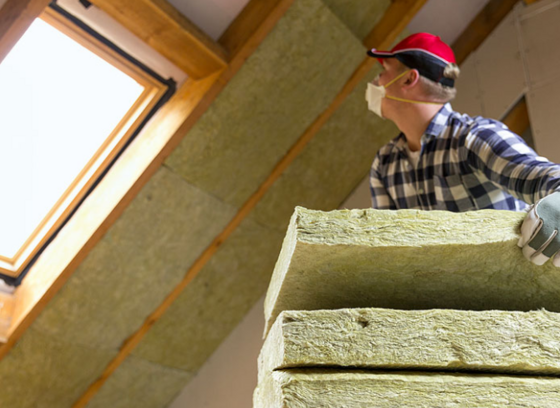
One way to tackle the impacts of extreme temperatures on buildings and high energy bills is through a process called weatherization. Weatherization helps to protect your home from extreme temperatures, sunlight, and other outdoor elements. Weatherization techniques include sealing air leaks, improving insulation, upgrading HVAC equipment, and swapping out old appliances for new energy efficient ones. These practices help to lower the costs associated with cooling your home.